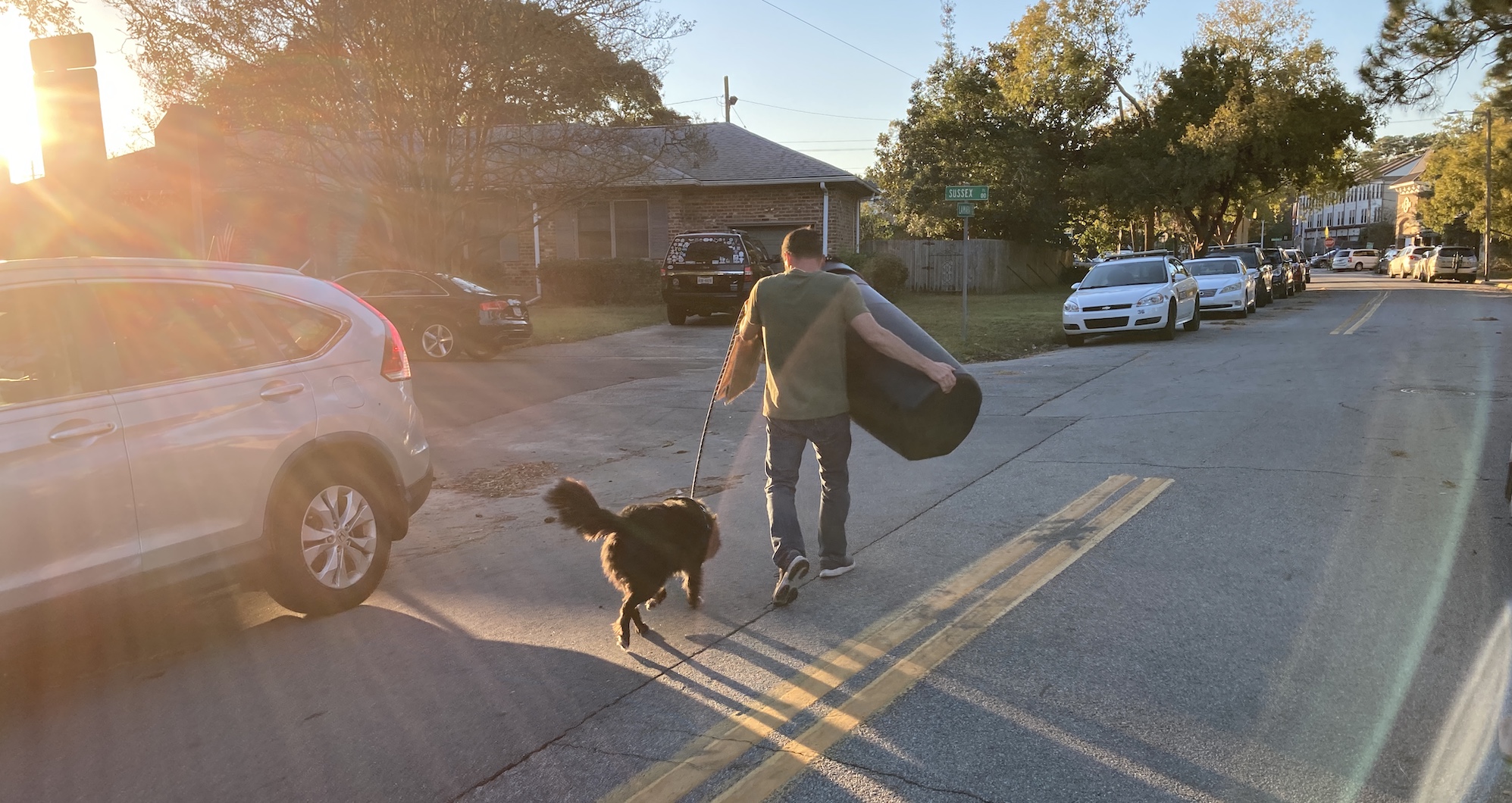
RELEASE: ORK and City of Savannah to host third rain barrel giveaway

FOR IMMEDIATE RELEASE
04/13/2023
Contact: Meaghan Walsh Gerard
Communications and Administrative Director
meaghan@ogeecheeriverkeeper.org

OGEECHEE RIVERKEEPER, CITY OF SAVANNAH HOST THIRD RAIN BARREL GIVEAWAY
Effort is part of a long-term project to improve the health of the Vernon watershed 

Ogeechee Riverkeeper (ORK) and the City of Savannah Water Resources Department are partnering to lead a long term project to protect the water quality and ecology of the Vernon River. As part of that effort, ORK and the City are holding their third rain barrel giveaway at Daffin Park on Thursday, May 4, 2023. Area residents can pick up a free rain barrel from 5 – 7 p.m., in the sandy parking lot behind the stadium. Barrels are limited and will be given away on a first-come, first-served basis. 

In 2021, ORK the City of Savannah, and other stakeholders set out to restore the waterways in the Vernon River basin to the point that it can be delisted as an impaired waterbody by GA EPD; and to reduce the amount of litter and plastic pollution entering the waterways. The canals and tributaries that feed the Vernon River are highly impacted by urban development. 

“All of Savannah’s stormwater infrastructure flows into a public waterway,” says Laura Walker, Water Resources Environmental Manager for the City of Savannah. “We work hard every day to try and keep them fishable and swimmable. But we need everyone to treat the storm system with care. We need everyone to protect the storm drains, ditches, and creeks and keep them clean.” 

The barrels collect rainwater for later use. They can also mitigate flash flooding by slowing water runoff from roofs. The Vernon River receives a significant amount of the stormwater leaving the City of Savannah, all part of the Ogeechee River watershed. The goal of the project is to improve water quality, restore ecological habitat, and “Protect The Vernon” from current and future threats. 

Another way ORK and the City have partners is to deploy litter booms in an effort to catch litter before it reaches the river or the ocean. The booms were installed in the Coffee Bluff, Chippewa, Wilshire, and Harmon Canals. These traps are cleaned out regularly and the litter is sorted, analyzed, cataloged and then recycled or disposed of responsibly. Since February 2022, the litter booms have caught nearly 2,500 lbs of trash. The most common material is polystyrene, with an average of 370 pieces per cleanup. 

The booms were designed and installed by Osprey Initiative, and were paid for by a grant from the National Fish and Wildlife Foundation (NFWF). ORK received the 5 Star grant from NFWF for its comprehensive plan involving multiple stakeholders in the area. 

“We are so grateful for the broad group of stakeholders working with us to minimize the threats that urban runoff, and litter and plastic pollution pose to this special waterbody,” says Damon Mullis, riverkeeper and executive director. “As the NFWF grant comes to a close this summer, we will be releasing the updated watershed management plan for the Vernon River. This represents hundreds of hours of sampling, analyzing, cleaning, mapping, counting and more.”

Sign up to volunteer, view data, watch an installation video, and view the successes to date: https://www.ogeecheeriverkeeper.org/vernon

PDF of press release

About Ogeechee Riverkeeper: Ogeechee Riverkeeper 501(c)(3) works to protect, preserve, and improve the water quality of the Ogeechee River basin, which includes all of the streams flowing out to Ossabaw Sound and St. Catherine’s Sound. The Canoochee River is about 108 miles long and the Ogeechee River itself is approximately 245 miles long. The Ogeechee River system drains more than 5,500 square miles across 21 counties in Georgia. More at ogeecheeriverkeeper.org.

Macroinvertebrate Sampling

On the water

March turned out to be a super eventful month for myself and the Ogeechee Riverkeeper.

The water levels have continued to be high because of all the rain the area has gotten in the past few months. This has made sampling a tricky event because floodplains contain many deep spots that are easy to fall into and can be dangerous to navigate at times.

Still, my first round of aquatic macroinvertebrate sampling has been a success in the Ogeechee River. Macroinvertebrates are insects, molluscs, and other invertebrate organisms that are visible in the water with the naked eye. We even got to see the early emergence of some mayflies on the river. 

The quick change in temperature to about 80 degrees has caused some mayflies to go into a false emergence earlier than usual. Where I am from in Detroit, we have an entire festival dedicated to mayflies, where they are called “fish flies.” 

Macroinvertebrates are a key part of the ecosystem. They help break down detritus, natural debris like leaves and wood that fall into the river. They are also great sources of food for other organisms like fishes, frogs, and salamanders. They are an integral part of the food web in an aquatic system. Organizations, such as the DNR and EPA, even use macroinvertebrates as an indicator for water quality.

Dragonfly larva
Stonefly and caddisfly in Stone Creek

I am following the same protocols as those organizations would for my own study to help the Ogeechee Riverkeeper get a good baseline on the organisms found in the system. These macroinvertebrates will be used in my thesis study at Georgia Southern University over the next year. I will end up sampling for them three more times over the course of the year, so be prepared for some more cool pictures as time goes on.

In mid-March, I attended the Georgia Adopt-A-Stream Confluence event with other members of the Ogeechee Riverkeeper and Georgia Southern University. The event was held in Unicoi State Park in Helen, Georgia. I helped run a macroinvertebrate survey session at the conference (You will see macroinvertebrates from me a lot, as that is one of my specialties). It was wonderful to get to meet people from many different walks of life and career paths coming together to discuss our experiences with Adopt-A-Stream and volunteering.

Unicoi Lake

Adopt-A-Stream is a citizen-science based program in Georgia that helps the community get involved in water quality assessments. Volunteers have sites set up around the state and members from all over assist with monitoring streams. The monitoring includes water parameter testing, such as dissolved oxygen, temperature, pH, etc, bacterial monitoring for E. coli, and macroinvertebrate diversity for water quality assessment. If you are interested in a program like this, please visit https://adoptastream.georgia.gov/how-do-i-get-started-adopt-stream. 

Molly McKeon, 2023 Fellow

Earth Month Pledge

The month of April is known for Earth Day. This year, ORK challenges everyone to make a pledge for the month of April and complete a service project that benefits the environment. 

Stick with one type of service or do several things. Get creative! Here are some suggestions:

  • Litter cleanups on public land or in your neighborhood
  • Plant a pollinator garden at home, school, or work
  • Start a Sustainability Club at school or work
  • Only shop with reusable bags
  • Save water in your home to water your plants and keep track of how much water is saved with a pitcher or 2L bottle)
  • Only shop at thrift stores or consignment stores for clothing and household items

Bonus: If you are located within the Ogeechee River watershed, ORK can provide volunteer credit for service. Provide the following: location of service, photos of service, and total volunteer hours for April in order to receive credit. Send it to info@ogeecheeriverkeeper.org.

RELEASE: ORK announces Riverfest at the Mill

FOR IMMEDIATE RELEASE
03/08/23
Contact: Meaghan Walsh Gerard
Communications and Administrative Director
meaghan@ogeecheeriverkeeper.org

OGEECHEE RIVERKEEPER ANNOUNCES RIVERFEST AT THE MILL
The day-long festival will be held in Warrenton, Georgia

Ogeechee Riverkeeper (ORK) will host Riverfest at the Ogeechee River Mill, on the border of Warren and Hancock counties, on Saturday, April 15, 9 a.m. – 4 p.m. Outdoor events and activities on the grounds of the Riverview Farms and the Ogeechee River Mill will include:

Music, cornhole, rubber duck race, archery demonstration, tractor display, mule-drawn wagon rides, raffle and more! Guests are also welcome to paddle or fish but must bring their own equipment. The mill will have fresh ground cornmeal and a chance to ‘bag you own’.

Admission is FREE for Ogeechee Riverkeeper members, and for children 12 and under. Admission is $10 per person for all others. Tickets will only be sold at the door.

All proceeds from the event will support Ogeechee Riverkeeper’s efforts to protect, preserve, and improve water quality throughout the basin.

Food, drinks, and snacks from Mill Rock Missionary Baptist will be available for purchase throughout the day. A limited number of vendors will also be on site. Note: All sales will be CASH ONLY.

There is no reliable GPS, internet, or cellular service in this area. The event is rain or shine. Outside food and drink is not allowed. No alcohol is allowed on site.

Where: Ogeechee River Mill, border of Warren and Hancock counties
When: Saturday, April 15, 9 a.m. – 4 p.m.
Details: https://www.ogeecheeriverkeeper.org/events/riverfest/

About Ogeechee Riverkeeper: Ogeechee Riverkeeper 501(c)(3) works to protect, preserve, and improve the water quality of the Ogeechee River basin, which includes all of the streams flowing out to Ossabaw Sound and St. Catherine’s Sound. The Canoochee River is about 108 miles long and the Ogeechee River itself is approximately 245 miles long. The Ogeechee River system drains more than 5,500 square miles across 21 counties in Georgia.


PDF of press release

PDF of flyer

About Flood Pulses

Let’s talk about the floods we have been seeing throughout the Ogeechee River basin.

We have been experiencing some heavy rains this season and that has been causing the flood pulse to rise this year. But what is a flood pulse? The flood pulse is the annual rise and fall of the water levels. This is important for our river systems because it allows the floodplains to collect and channel water through and bring nutrients into the ecosystem. 

The winter and spring are the best seasons to notice the phenomenon of flood pulse occurring. In the winter, the rains can cause flooding because the trees have not started blooming and therefore do not have as much capacity for storing water. The flooding allows for saturation of the water in the floodplain and surrounding lands and that helps the plants receive a cue that spring is coming and soon it will be time to bloom and grow once again.

Why is this important to people, though?

Protecting the floodplain from development is an important factor in the health of waterways. Allowing natural flooding to occur is good for soil, wildlife, plants, and the river itself. Avoiding non-permeable surfaces and building in these areas also protects nearby homes and businesses from most flooding scenarios.

The flood pulse can cause hazardous conditions in the river. The river may appear somewhat calm, but the water may be moving at a much higher rate than usual and this can impose hazards for recreational usage. Please be careful when there are heavy rain events in the winter and spring months. 

There is publicly accessible data from the United States Geological Survey (USGS) that shows the average depth and the discharge rate in the river, which will help tell you how fast the river is moving. Make sure you are prepared before you head out on our beautiful waterways.

~ Molly McKeon, 2023 ORK Fellow